
The Voters Who Could Decide 2026: A Data-Driven Look at Low-Propensity Persuadables
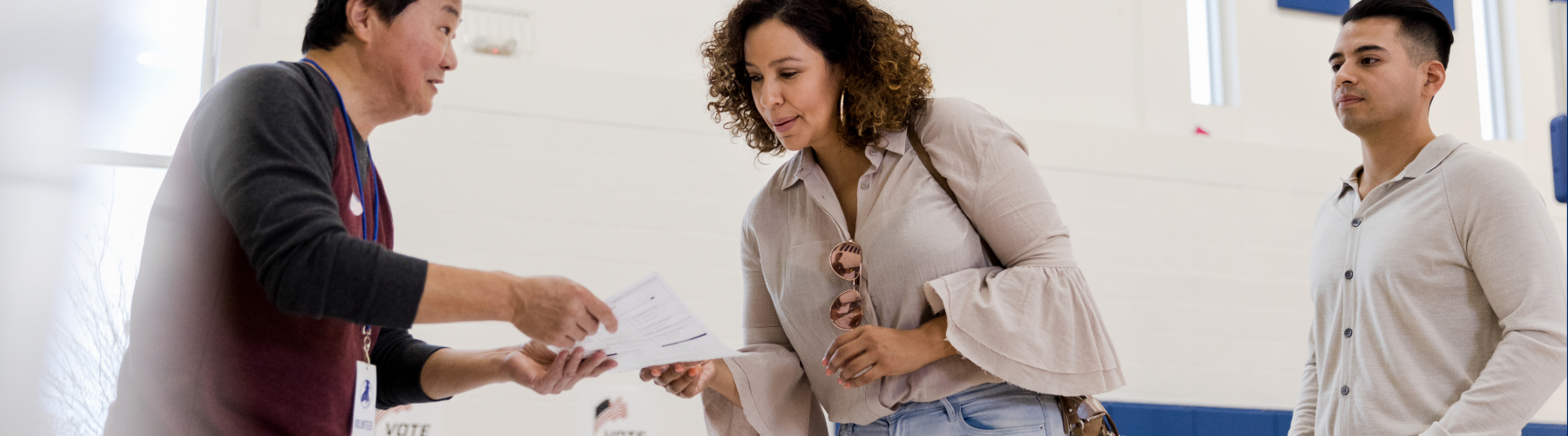
Low-propensity persuadable voters, i.e., those who vote inconsistently but can be moved with the right mix of message and push, are likely to be the deciding factor in many 2026 electoral battles. As campaigns vie for attention, AdImpact tracking shows this cycle’s ad landscape is already intense, projecting about $10.8 billion in 2026 midterm ad spending, with streaming/CTV taking a substantially larger share of the growth.
These voters aren’t a monolith. You’ll find younger, mobile households in suburbs and exurbs who are juggling bills and childcare alongside older, sporadic voters in small towns and coastal counties. They care about concrete, kitchen table issues like grocery prices, healthcare access, local jobs, property taxes — not abstract ideological debates. They get their news from a mix of sources: primarily local TV and radio, ad-supported streaming, and short social video. Due to varied backgrounds and defining issues, treating them like a single “TV audience” is a mistake. Campaigns need short-form, local-first media to reach them in a meaningful way.
Turnout for these folks is inconsistent but trackable. They show up when something feels personal, like a hospital closing or a specific local ballot measure. That’s why persuasion usually follows a strategic order: broad awareness through CTV or local TV, credibility from a local voice or testimonial, and then a low-friction ask such as an SMS reminder or a simple “how to vote” link.
The data shows where opportunities for persuasion and competitive pressure intersect in key states across the country. The Texas Senate primary, for example, drew roughly $99 million in combined spending by mid‑February and climbed into the low hundreds as the primary intensified, making it one of the costliest Senate primaries on record. Those buys were concentrated in suburban/exurban media markets and focused on Spanish‑language and streaming placements, signaling both where persuadable Latino and swing suburban voters live and how they’re being reached.
For statewide campaigns in Texas, it would be wise to focus dollars on suburban/exurban markets and to ramp up Spanish‑language and streaming/CTV spots where persuadable Hispanic and swing suburban voters are best reached. With our internal data showing that nearly half of Texas households stream Spanish-language content, campaigns should prioritize Spanish-language streaming and CTV, alongside a multichannel strategy that includes linear TV, social, audio, and digital out-of-home. Layering in voter-file matching when available and targeting based on persuasion and likelihood of turnout, rather than on broad demographic segments alone, can help campaigns efficiently reach less-engaged voters where they already spend their time.
Similarly, in Maine’s U.S. Senate contest, AdImpact counted tens of millions in early-cycle buys and flagged the race as one of the nation’s most-advertised Senate contests. Leading up to the primary, spending in the state steadily accelerated as outside groups and campaigns targeted older, independent-leaning, sporadic voters along coastal and inland districts. Those buys were heavy on local TV and focused on healthcare, fisheries, and supporting small businesses — key issues that move low-propensity voters in Maine.
In the general election this fall, which is projected to draw almost half a billion dollars in spending, it would be smart to focus on local outreach: retail politics, town meetings, and local news matters. A rough primary usually means more local TV and streaming ads, radio, door‑knocking, and texts, as those local touches tend to have an outsized effect on low‑propensity voters. Optimum Media’s audience insights reinforce this, with more than 200,000 matched voter households in Maine categorized as low turnout, representing approximately 45% of all households in the state. By combining trusted media with our data-driven audience targeting, campaigns can efficiently engage the voters most likely to influence a close race.
Ohio, another key battleground state, is already drawing big early buys across the Cleveland, Columbus, and Cincinnati markets. AdImpact shows spending split between Rust Belt broadcast/cable to reach older, intermittent voters and targeted digital/social to reach younger, recently lapsed voters. This is a smart mix given that, according to Optimum Media data, blue-collar workers in Ohio spend about 80% of their total viewing time on streaming apps. Issue themes are consistent with the rest of the country, i.e., jobs, healthcare, and manufacturing.
California, on the other hand, is a completely different animal: high-spending but hyper-segmented. Data shows heavy investment in streaming/CTV, and Spanish-language buys focused in the Inland Empire, Central Valley, parts of the Bay Area, and the Los Angeles suburbs. The persuadables look like younger Latinos and suburban moderates, squeezed by housing and affordability pressures.
To effectively reach these groups, campaigns should prioritize bilingual streaming/OTT, Spanish-language radio, and localized digital placements tailored to the issues that matter most to each market. Our internal data show that renters in Los Angeles County spend over 26 million hours streaming content, underscoring the importance of meeting these voters where they already spend significant time.
Tactical recommendations:
Keep voter groups simple and practical. Partner with trusted media experts to build accurate, data-driven audience segments and continually refine targeting throughout the campaign. Focus on groups with opportunity for movement: those who recently stopped voting, issue-driven voters, or residents who aren’t politically active but do use local services or read cost‑of‑living content. Prioritize outreach based on both turnout likelihood and neighborhood competitiveness.
Sequence your outreach logically. Start by raising awareness on upper‑funnel platforms like CTV and digital audio, then drive action with mobile executions that prioritize direct response, such as our mobile solution, AdMessenger, plus SMS and geofencing around early voting locations.
Make creative feel local. Swap in recognizable landmarks, local spokespeople, and specific impacts that people care about, like hospitals, groceries, and property taxes. Use two-sided, practical scripts to engage persuadable skeptics and turn doubt into participation.
Measure what matters for persuasion. Use Optimum Media’s measurement toolbox — brand lift studies, A/B tests, incremental reach, and custom audiences — so you’re evaluating real persuasion and outcomes, not just impressions or clicks.
Early-cycle spend maps make it clear: persuadable, low‑propensity voters are concentrated and reachable if media plans mirror how they consume information — a short‑form, local-first mix that culminates in smart GOTV activation.
With Optimum Media’s data-driven audience insights and multiplatform advertising solutions, we can partner to help you reach persuadable, low‑propensity voters in 2026. Let’s turn today’s insights into tomorrow’s victory.